
How Long Does Commercial Concrete Need to Cure Before It Can Bear Load? OH
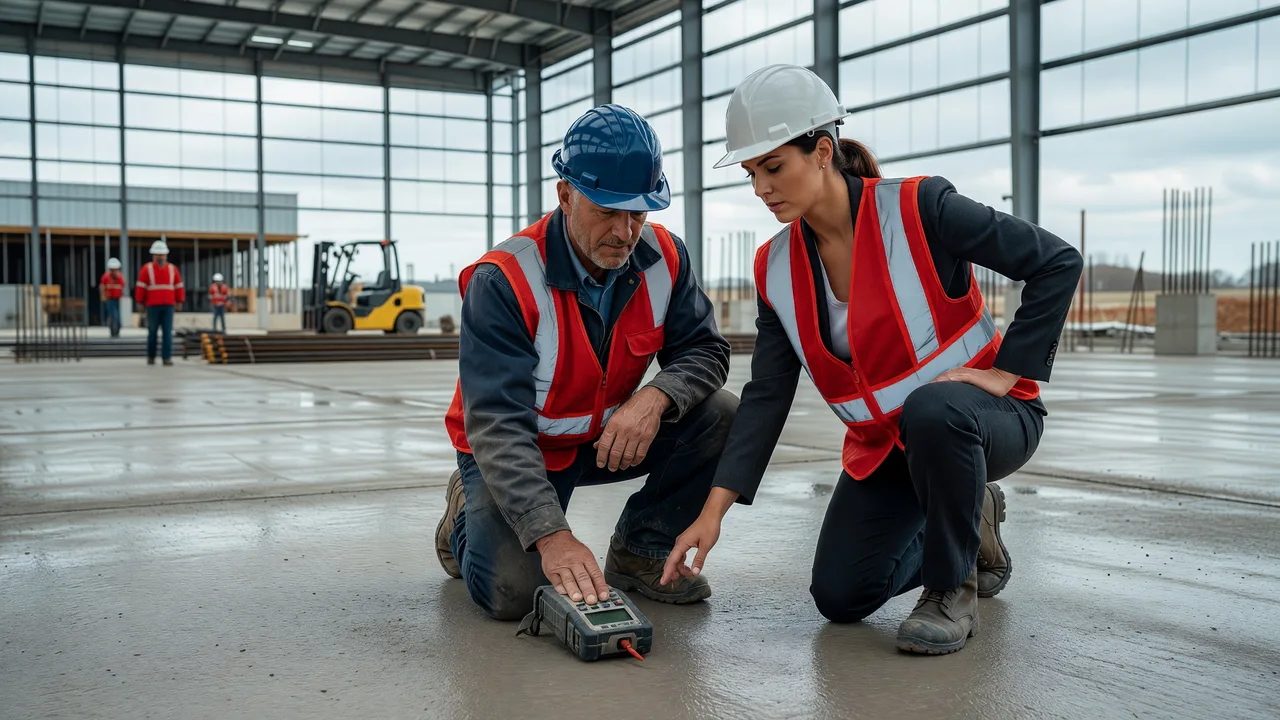
Clear timelines and decision factors for warehouse floors, loading docks, parking lots and structural slabs.
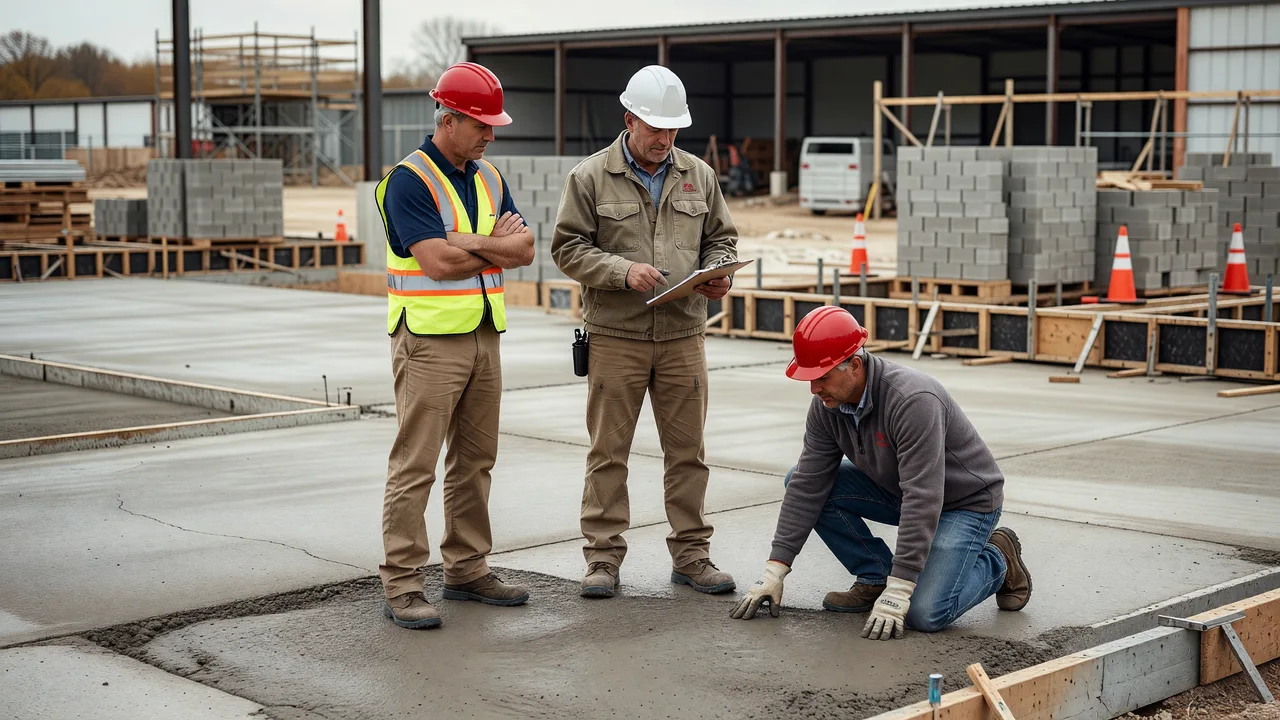
Commercial concrete typically reaches sufficient strength to bear light loads after 3 to 7 days and full design loads after 28 days under standard conditions. Mix design, temperature, moisture control, and slab thickness directly influence these timeframes. Self-performing crews monitor strength with field tests to confirm readiness before equipment or. Call (330) 992-2617 to discuss your needs and next steps.
Direct Answer: Cure Timeframes for Load-Bearing Commercial Concrete
Commercial concrete reaches initial set in 24 to 48 hours. Light foot traffic is usually acceptable after three days. Forklifts and light equipment can often operate after seven days when compressive strength hits 2,500 to 3,000 psi. Full design loads, including heavy trucks and racking systems, require the full 28-day cure to reach 4,000 psi or higher. Temperature, slab thickness, and mix additives shift these windows. Professional testing confirms actual strength rather than relying on calendar days alone.
Stages of Commercial Concrete Strength Development
Concrete gains strength through hydration, a chemical reaction between cement and water that continues for weeks. The first 24 hours produce a workable plastic state. By day three, roughly 40 percent of ultimate strength is achieved. Day seven typically delivers 65 to 70 percent. The remaining strength builds gradually through day 28 and beyond. Commercial projects track these stages with cylinder breaks or maturity meters so operations resume without risking slab damage.
Early loading before adequate strength develops creates microcracks that shorten service life. Warehouse floors and loading docks experience concentrated point loads from equipment, making proper timing critical for long-term performance.
Initial Set and Form Removal
Initial set occurs when concrete can no longer be worked. Forms for structural slabs and tilt-up panels are typically stripped after 24 to 48 hours once the concrete supports its own weight. This stage does not yet allow operational loads.
Early Strength for Light Loads
After three days, many mixes support pedestrian traffic and light inspection activities. By day seven, compressive strength often supports forklifts under 5,000 pounds when the slab was designed for 4,000 psi ultimate strength. Contractors verify this with on-site testing before allowing equipment.
Factors That Change How Long Commercial Concrete Needs to Cure
Slab thickness directly affects cure time. A 6-inch warehouse floor cures faster than a 10-inch structural slab. Ambient temperature below 50 degrees Fahrenheit slows hydration; above 90 degrees accelerates surface drying and increases cracking risk. Moisture retention through wet curing or curing compounds extends the hydration window. High-early-strength mixes with accelerators or high cement content shorten timelines but require careful finishing. Wind and low humidity increase evaporation and demand protective measures.
Self-performing crews adjust these variables on every job rather than applying a single schedule. Bonded and insured teams document conditions and test results so owners receive clear go-ahead dates.
Comparison of Cure Times by Load Type
| Load Type | Typical Minimum Cure | Strength Target | Common Verification Method |
|---|---|---|---|
| Pedestrian traffic | 3 days | 1,500–2,000 psi | Visual inspection |
| Forklift / light equipment | 7 days | 2,500–3,000 psi | Cylinder break or maturity meter |
| Heavy trucks / racking | 14–21 days | 3,500+ psi | Third-party test reports |
| Full design load | 28 days | 4,000–5,000 psi | 28-day cylinder results |
Risks of Loading Commercial Concrete Too Early
Placing loads before adequate strength develops causes surface scaling, edge cracking, and permanent deformation. Loading docks and parking lots see repeated heavy impacts; early damage leads to costly repairs and potential ADA compliance issues on sidewalks. Facility managers avoid tenant complaints and operational shutdowns when cure schedules are respected. OSHA-compliant crews maintain exclusion zones and signage until testing confirms readiness.
How Professional Crews Confirm Readiness for Load
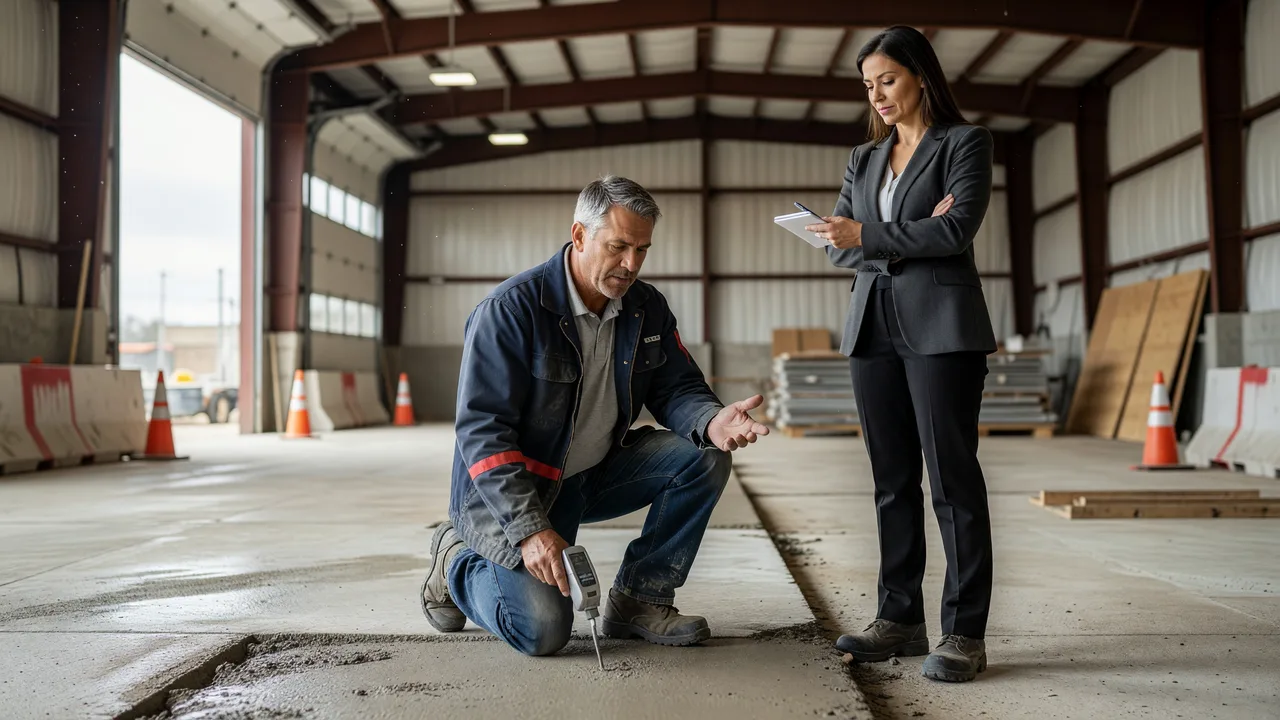
Experienced teams do not guess cure times. They place test cylinders alongside the pour and break them at scheduled intervals. Maturity meters embedded in the slab provide continuous temperature and strength data. When results meet design specifications, the slab is released for the intended load. This documentation protects owners during inspections and warranty reviews. Three generations of self-performed commercial work builds repeatable processes that reduce callbacks.
Practical Recommendations for Property Owners and GCs
- Request the concrete mix design and expected 7-day and 28-day strengths before the pour.
- Confirm the contractor will perform field testing and share results in writing.
- Plan phased access so critical operations begin only after verified strength milestones.
- Specify wet curing or approved compounds for exterior slabs exposed to freeze-thaw cycles.
- Verify the crew is self-performing rather than subcontracting the critical finishing and curing steps.
These steps protect schedule, budget, and long-term durability on warehouse floors, loading docks, and parking lots.
Why Self-Performing Crews Improve Cure Outcomes
When one accountable crew handles excavation through finishing, curing methods stay consistent. Subcontractor handoffs often create gaps in moisture control and timing. Family-owned operations with 30-plus years of commercial work maintain the same standards on every project. Bonded and insured status plus OSHA compliance further reduces risk for facility managers and developers who cannot afford callbacks or inspection failures.
Frequently Asked Questions About How Long Does Commercial Concrete Need to Cure Before It Can Bear Load?
How much does how long does commercial concrete need to cure before it can bear load? cost in null?
What is the best how long does commercial concrete need to cure before it can bear load? company in null?
How do I choose a how long does commercial concrete need to cure before it can bear load? provider in null?
What should I look for in how long does commercial concrete need to cure before it can bear load? services?
How long does how long does commercial concrete need to cure before it can bear load? take?
Is how long does commercial concrete need to cure before it can bear load? worth the investment?
Need reliable cure timelines for your next commercial pour?
Mattucci Construction self-performs every step and provides documented strength verification. Call (330) 992-2617 or request a quote to discuss your warehouse floor, loading dock, or parking lot project.